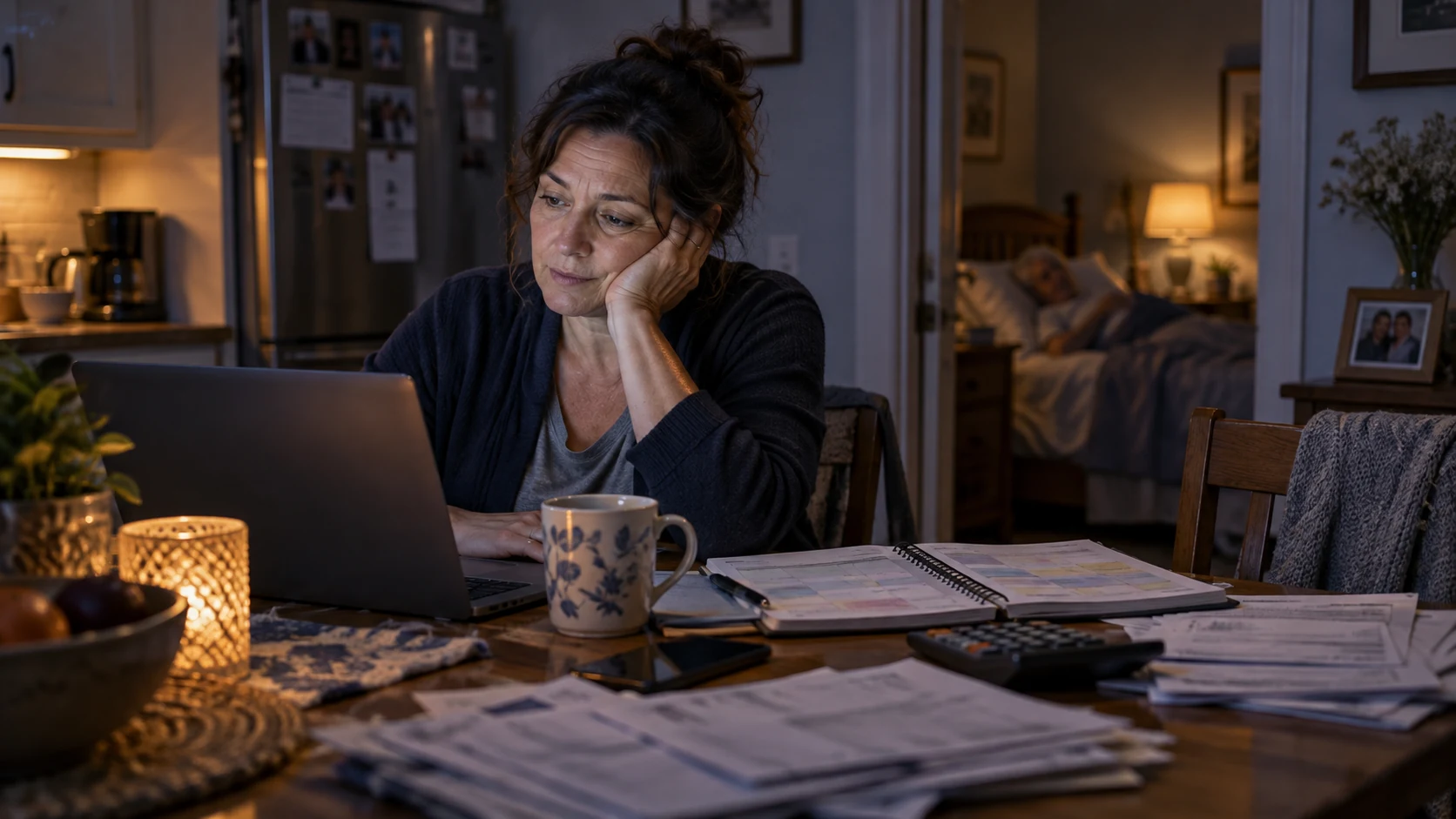
Caring for an aging parent, a spouse with dementia, or a family member with a serious illness is one of the most loving things a person can do. It is also one of the most demanding — and the consequences for the caregiver's own health, finances, relationships, and career are often underestimated or ignored entirely.
This article doesn't aim to discourage family caregiving. It aims to make caregivers more aware of what they may be walking into, so they can seek support before reaching a crisis point.
Caregiving in America: The Numbers
According to national research, the 2025 Caregiving in the U.S. study estimates that 63 million U.S. adults provide ongoing care to an adult or child with a medical condition or disability. Caregiver experiences vary, but national research identifies several recurring pressure points:
- Care demands can interfere with caregivers' own medical care, sleep, work, and social connection.
- Higher-intensity caregiving and limited support are associated with greater risk of distress and poor health.
- Caregiving can also provide meaning, closeness, and purpose; outcomes are not uniform.
Physical Health Consequences
Caregiving may affect physical health, particularly when tasks are intensive, prolonged, or performed without training or relief:
- Sleep deprivation — nighttime monitoring, anxiety, and interrupted sleep are common. Chronic sleep loss affects immune function, cognitive clarity, and cardiovascular health.
- Physical injury — helping someone transfer, bathe, or move places significant strain on the caregiver's back, shoulders, and joints. Transfers and lifting can create musculoskeletal risk; ask a clinician or trained professional about safer techniques and equipment.
- Neglecting personal health — caregivers frequently skip their own doctor's appointments, screenings, and medication management. Many put their health last.
- Chronic illness acceleration — stress hormones (cortisol) suppress immune function and promote inflammation. Sustained stress may affect health, but individual outcomes differ and caregiving alone should not be treated as the sole cause of chronic disease.
Mental and Emotional Consequences
The emotional burden of caregiving is often invisible to those outside it:
- Grief and anticipatory loss — watching a loved one's decline causes ongoing grief, even while the person is still alive
- Guilt — caregivers often feel they're never doing enough, even when doing far more than can reasonably be expected
- Resentment and shame — natural feelings of frustration or resentment toward the care recipient can trigger profound shame, deepening emotional distress
- Loss of identity — many caregivers lose their sense of self as their own needs, hobbies, and relationships recede entirely
- Depression and anxiety — some caregivers experience depression or anxiety, with risk influenced by care intensity, resources, prior health, and available support
Financial Consequences
Caregiving can affect household finances and employment, although the amount and duration vary:
- Lost income — many caregivers reduce work hours, turn down promotions, or leave the workforce entirely. Women are disproportionately affected.
- Lost retirement savings — reduced work means reduced contributions to 401(k), IRA, and Social Security benefits
- Out-of-pocket costs — caregivers may pay for transportation, supplies, home changes, or other needs; amounts vary widely
- Career disruption — gaps in employment, missed career advancement, and skills atrophy affect long-term earning potential
Before reducing work or leaving a job, consider discussing leave, flexible scheduling, benefits, and retirement effects with the appropriate employer or financial professional.
Relationship Consequences
Caregiving reshapes virtually every relationship in a caregiver's life:
- Relationship strain — intensive caregiving can change roles, routines, and communication within a family; this does not affect every relationship in the same way
- Social isolation — caregivers often lose touch with friends, decline invitations, and gradually withdraw from their social networks
- Family conflict — unequal distribution of caregiving responsibilities frequently causes serious rifts among siblings and extended family
- Parent-child tension — adult children who take on primary caregiving while other siblings remain uninvolved often carry lasting resentment
How to Protect Yourself
Recognizing these risks is the first step. Practical steps to protect your own health and wellbeing include:
- Ask for and accept help — share the load with family, neighbors, faith communities, and community services
- Use respite care — short-term relief care (in-home or at an adult day program) gives you genuine time off. Medicare Part A can cover short-term inpatient respite care when the person receiving care has elected and qualifies for the Medicare hospice benefit; other respite services may have different eligibility and payment rules.
- Keep your own medical appointments — treat your own health as non-negotiable
- Join a caregiver support group — local groups and online communities (through AARP, the Alzheimer's Association, and others) provide crucial peer support
- Set realistic boundaries — define what you can sustainably provide and communicate that clearly to family and healthcare professionals
- Explore paid caregiver options — some state Medicaid self-directed programs may permit payment to certain family caregivers; eligibility and permitted relationships vary by state and program
If your loved one is on Medicare or Medicaid, they may qualify for additional support services that can take some weight off your shoulders. A licensed advisor can help you explore all available options.
Call 1-866-340-3441