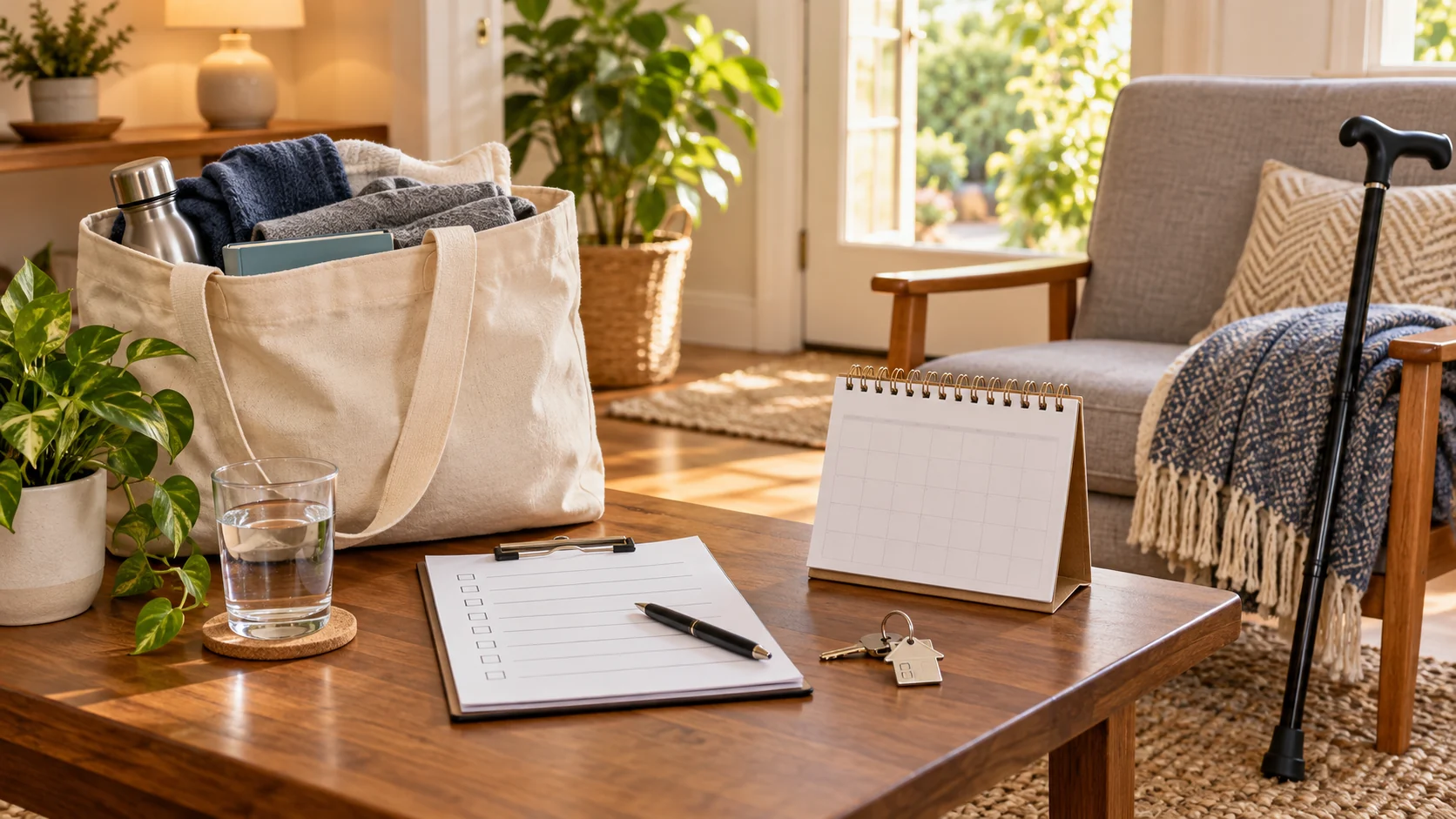
The day a loved one comes home from a rehab or skilled nursing stay should feel like a relief — and with preparation, it can. Without a plan, though, those first days home can be stressful and even risky. Good discharge planning is one of the most valuable things a family can do, and it starts well before discharge day.
Why Discharge Planning Matters
The transition from a facility back home is a vulnerable time. New medications, reduced supervision, and a home that may not be set up for someone still recovering can lead to setbacks or readmissions. A clear plan — built with the care team — smooths the handoff and helps recovery continue at home.
Questions to Ask the Care Team
Before discharge, sit down with the discharge planner, social worker, or nurse and ask:
- What help will my loved one need at home, and for how long?
- What are the new medications, and how do they fit with existing ones?
- What equipment or home changes are needed before they arrive?
- What follow-up appointments and therapy are scheduled?
- What warning signs should prompt a call to the doctor — and who do we call?
Preparing the Home
- Clear walkways and remove trip hazards — see our fall-prevention guide
- Set up a comfortable main-floor space if stairs are difficult
- Add bathroom safety items such as grab bars and a shower chair
- Arrange any equipment — walker, wheelchair, hospital bed — before arrival
- Stock easy meals and refill needed supplies
Coordinating Care After a Rehab Stay?
Some Medicare Advantage plans coordinate therapy, home health, and equipment as part of recovery. Answer 6 quick questions and a licensed advisor can check what is available where you live — free of charge.
Check My EligibilityMedications and Equipment
Medication changes are one of the most common sources of post-discharge trouble. Ask for an updated, written medication list and make sure you understand what changed. Confirm that prescriptions are filled and that you have any equipment — and know how to use it — before the first night home.
Follow-Up Care
Recovery usually continues with follow-up visits and therapy. Get those appointments on the calendar before discharge, arrange transportation, and know who to call with questions. Tools like remote patient monitoring can help a care team keep an eye on recovery from home.
Understanding Coverage
Medicare covers many post-rehab services — physical therapy, certain home health care, and durable medical equipment — when the criteria are met, and Medicare Advantage plans often coordinate these benefits. Because the details and any out-of-pocket costs vary, it helps to confirm what is covered with the plan or a licensed advisor. Caregivers, remember to look after yourselves too; our caregiver survival guide is written for you.